If you like the idea of commuter rail access without giving up a quieter, more residential setting, Elburn may already be on your shortlist. For many buyers, the big question is not just where the train goes, but what daily life feels like once you get home. This guide will help you understand how Metra-focused living works in Elburn, what the village offers, and where the tradeoffs show up in real life. Let’s dive in.
Why Elburn stands out
Elburn is a village in central Kane County with an estimated 2025 population of 7,084. The village describes itself as a charming rural community that aims to preserve its character while supporting moderate, well-balanced growth.
Location is a big part of the appeal. Elburn sits about 10 miles west of the Fox River and roughly 5 miles north of the Illinois Route 47 and I-88 interchange, which helps explain why it often attracts buyers looking for a commuter-friendly home base with a less intense pace.
The housing profile also says a lot. Census QuickFacts reports an owner-occupied housing rate of 89.6%, a median owner-occupied home value of $389,300, and a median gross rent of $1,708. That points to a community shaped heavily by homeowners rather than a dense renter-heavy environment.
How Metra living works in Elburn
For many buyers, the Elburn Metra station is the main reason the village lands on their radar. The station began passenger rail service in January 2006 on the Union Pacific West line to Chicago, and the village notes that it connects riders to Chicago and 17 stops in between.
That setup can make Elburn especially appealing if you work in the city, split your week between office and home, or simply want rail access as part of your lifestyle. The station is accessible and sits in Metra fare zone 4, which is useful to know as you compare commute options.
Station details to know
If you are considering a train-based routine, practical details matter as much as the route map. Elburn’s station has 592 parking spaces across two lots, and village information says parking costs $1.50 per day with ParkMobile payment available.
There are also a few good-to-know basics that can shape your routine. Tickets are purchased on board or through the Ventra app because there is no ticket vending machine at the station. The village FAQ also notes that there is no ticket agent and no station restrooms, with washrooms available on the train instead.
What the commute lifestyle feels like
Elburn reads as a station-oriented village rather than a dense transit district. In practical terms, that means the Metra station is a major asset, but your day-to-day experience is still rooted in a small village setting.
Census data reports a mean travel time to work of 27.5 minutes, which supports the idea that commuting is a meaningful part of life for many residents. At the same time, the station parking setup suggests many riders drive to the station rather than walk from a tightly packed downtown core.
What homes and neighborhoods feel like
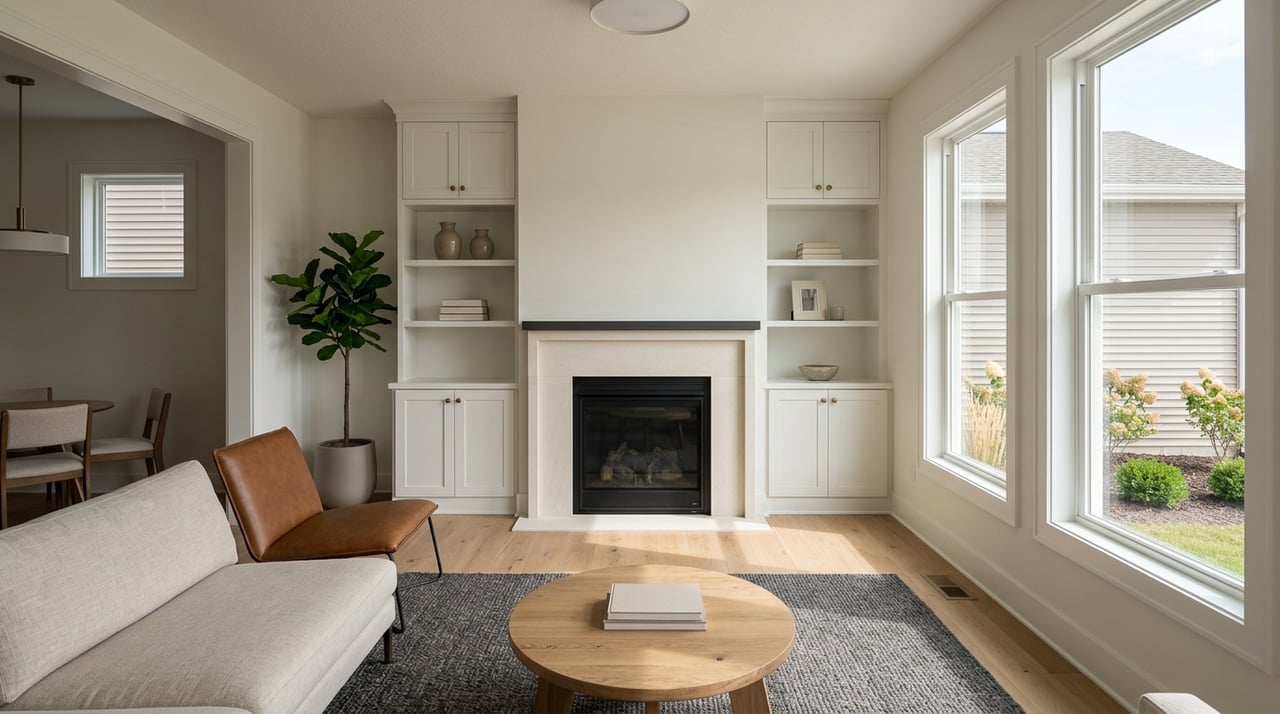
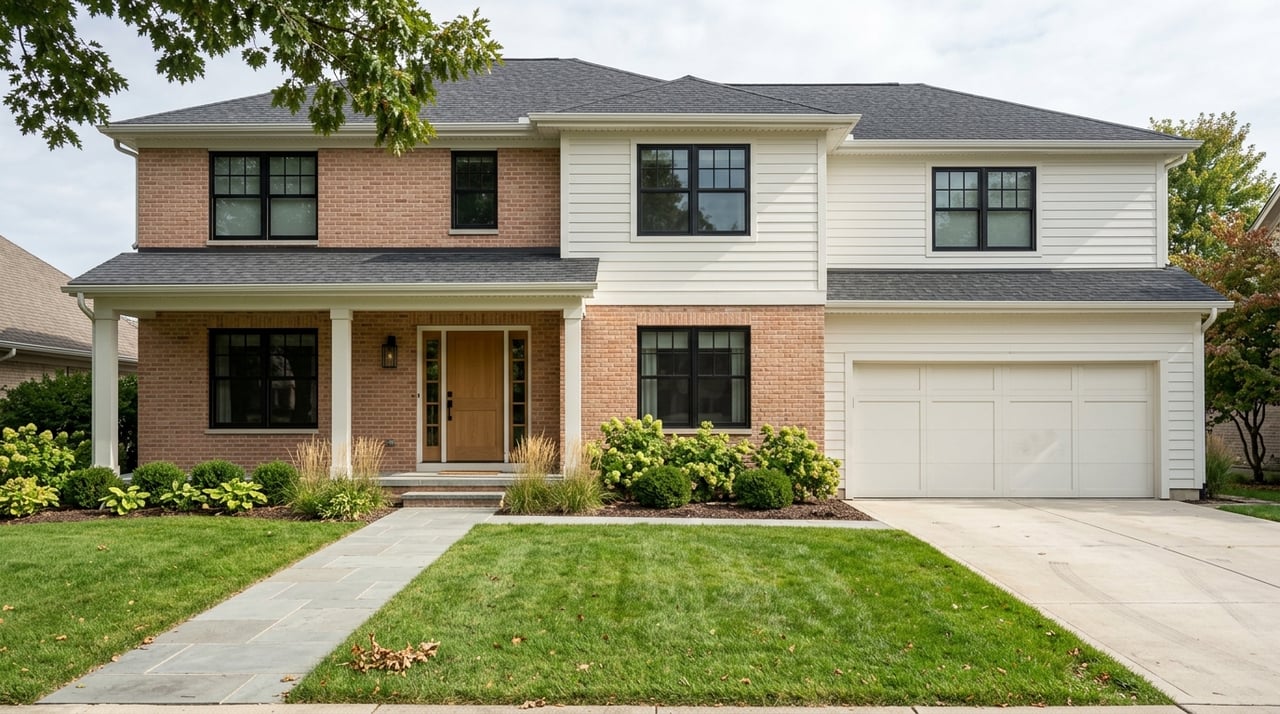
If you are picturing Elburn as all one type of housing, it helps to know the village is more varied than that. The comprehensive plan says Elburn is expected to remain predominantly residential, with housing stock made up primarily of single-family homes plus some multifamily housing interspersed throughout the village.
Still, the overall pattern leans clearly toward detached homes and a more spacious setting. The village says style, built form, and lot sizes vary by neighborhood, which means your experience can differ depending on where in town you look.
A mostly single-family housing pattern
Single-family detached homes are the most prevalent housing form in Elburn. The village’s planning documents also note that denser housing tends to appear closer to downtown and more intensive industrial areas.
That matters if you want more backyard space, a quieter street pattern, or a home that feels more removed from a dense suburban core. It also matters if you are looking for low-maintenance living, since those options exist but are not the dominant pattern village-wide.
Newer neighborhoods and lot character
The comprehensive plan describes newer single-family neighborhoods as having curvilinear streets, cul-de-sacs, parks, and green space. That gives many parts of Elburn a distinctly suburban layout, while still fitting the village’s semi-rural character.
The village also emphasizes preserving farmland and open space where possible. So even as Elburn grows, its planning direction supports a community feel that is more open and residential than tightly built out.
Options beyond large-lot homes
Elburn is not limited to one kind of buyer. Elburn Station, a 505-acre master-planned community, includes single-family residences as well as low-maintenance Village Homes, showing that newer housing options are broader than just large-lot detached homes.
For some buyers, that creates a useful middle ground. You may be able to stay close to the village’s residential character while still finding a home with less exterior upkeep than a more traditional detached property.
Who Elburn tends to fit best
Elburn can be a strong match if you want a quieter residential setting and value having Metra access nearby. Based on the village’s small scale, residential land use, and station setup, it often appeals to buyers who want more space than they might typically find closer to Chicago.
It can also work well if you are a hybrid or remote worker. Census QuickFacts reports that 97.2% of households have a broadband subscription, which supports the practical side of working from home in a more residential environment.
Good fit for train commuters
If your routine depends on rail access, Elburn offers a clear advantage. You get a station in town, a sizable parking supply, and a direct connection on the Union Pacific West line.
This can be especially attractive if you want the option to commute without living in a busier, denser suburb. You may trade some walkability for a calmer home setting and easier access to more space.
Good fit for buyers wanting more room
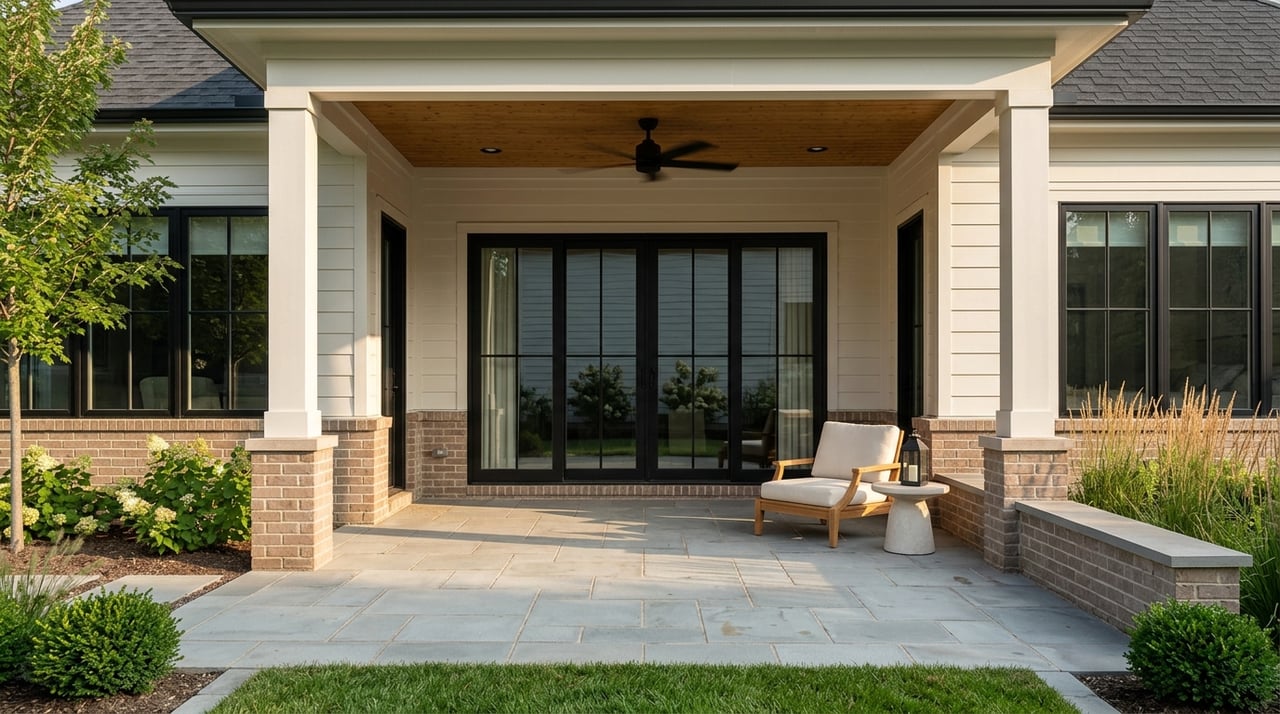
Because Elburn is predominantly residential and mostly single-family in character, it can appeal to buyers who want a little more breathing room. That may mean a larger home, a bigger yard, or simply a neighborhood feel that is less packed in.
For move-up buyers and relocators comparing western suburbs, that balance can be a major reason Elburn makes sense. You are not just buying proximity to a train. You are buying a different pace of day-to-day life.
Good fit for remote and hybrid work
Remote work has changed how many buyers define convenience. If you only need to commute some of the time, Elburn’s combination of broadband access, homeownership-heavy housing, and village scale may feel especially practical.
You can keep train access in your back pocket while enjoying a more home-centered routine the rest of the week. For many buyers, that flexibility is a big part of the appeal.
Tradeoffs to think through
No town is perfect for every lifestyle, and Elburn has tradeoffs worth considering before you make a move. In general, the biggest one is convenience spread over a wider area.
Elburn is likely less ideal if you want a highly walkable, amenity-dense suburban core. The village’s rural scale and station-oriented setup suggest that many errands, activities, and routines may involve more driving than they would in a more urbanized suburb.
Expect more driving for errands
The village does not function like a dense downtown suburb where nearly everything is a short walk away. If you value quick access to a broad mix of shops, dining, and services all clustered together, you may find Elburn a bit more spread out.
That does not mean daily life is inconvenient. It means convenience often comes through driving access rather than concentrated walkability.
Recreation looks different here
Elburn does not have its own park district. Recreation comes from village parks and nearby options such as forest preserves, golf, wildlife centers, and bike paths.
For some buyers, that works well because it fits the village’s more open, less intense setting. For others, it may feel different from suburbs with a larger in-town recreation system.
School district scale matters
If school logistics are important to your move, district geography is worth understanding. Kaneland Community Unit School District 302 spans 140 square miles in southwestern Kane County, and the district says bus rides of 50 to 60 minutes one way are not uncommon.
Elburn itself has two district elementary schools in town, but district-wide transportation times can still be a practical factor depending on where you live and which school your household uses. It is one of those details that can make a big difference in daily rhythm.
Downtown still shapes the village feel
Even with the Metra station playing a major role, downtown Elburn still matters to the village’s identity. Village programs focused on downtown façades and the downtown sign district are designed to preserve the historic character of the area while supporting business vitality.
That tells you something important about Elburn’s long-term direction. The village is not trying to become a dense urban center. It is trying to grow while keeping a sense of place.
How to decide if Elburn is right for you
A good move is not just about stats. It is about whether a community supports the way you actually live.
Elburn may be a smart fit if you want Metra access, a residential setting, and more space than you expect to find closer in. It may be less ideal if your top priority is walkable convenience and a dense suburban core with lots of amenities packed tightly together.
If you are comparing Elburn with places like St. Charles, Geneva, Batavia, or other western suburbs, the key is to weigh your commute, your home-style preferences, and how much driving you are comfortable with from day to day. That kind of side-by-side comparison is often what makes the right choice feel clear.
If you are thinking about buying or selling in Elburn or nearby Fox Valley communities, The Kelly Schmidt Group can help you compare neighborhoods, understand the local housing mix, and make a confident move based on how you really want to live.
FAQs
What is Metra-focused living in Elburn like?
- Metra-focused living in Elburn usually means having in-town access to the Union Pacific West line while still living in a small, mostly residential village with a quieter pace and more driving than a denser suburb.
What should buyers know about the Elburn Metra station?
- Buyers should know the Elburn station has 592 parking spaces, parking costs $1.50 per day, tickets are bought on board or through the Ventra app, and the station does not have a ticket agent or restrooms.
What type of housing is most common in Elburn?
- The most common housing type in Elburn is single-family detached homes, though some multifamily housing and lower-maintenance options are available in certain parts of the village.
Is Elburn a good fit for remote workers?
- Elburn can be a good fit for remote workers because it offers a strongly residential setting and Census QuickFacts reports that 97.2% of households have a broadband subscription.
What are the main tradeoffs of living in Elburn?
- The main tradeoffs of living in Elburn are that many errands and activities may require more driving, recreation is supported through village parks and nearby options rather than a dedicated park district, and some school transportation times can be longer due to district size.
How can you tell if Elburn fits your lifestyle?
- Elburn may fit your lifestyle if you want commuter rail access, a less intense pace, and more space, but it may be a weaker fit if you want a highly walkable, amenity-dense suburban environment.