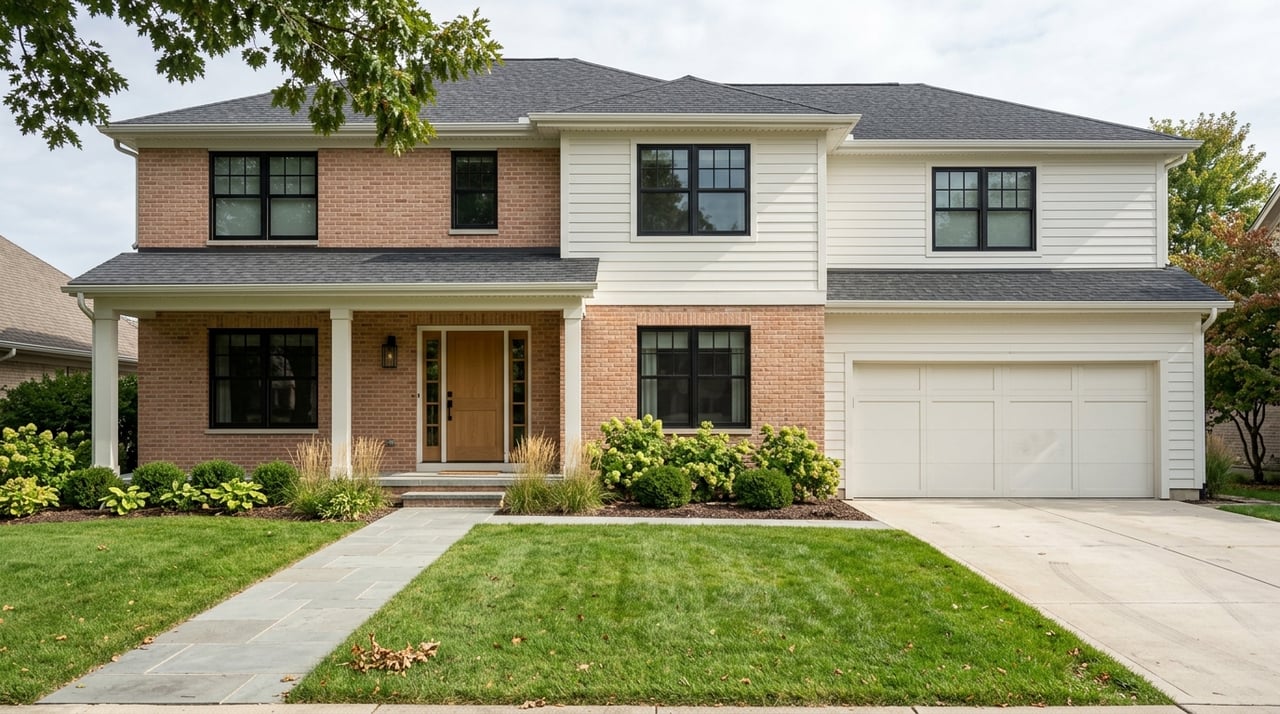
Buying your first home in Wheaton can feel exciting and a little intense at the same time. You are trying to understand prices, monthly costs, financing options, and how fast you may need to act once the right home shows up. The good news is that with the right plan, you can shop with more clarity and less stress. Let’s break down what first-time buyers should know before jumping into the Wheaton market.
Why Wheaton Appeals to First-Time Buyers
Wheaton offers a well-established suburban setting about 26 miles west of Chicago, with access to two Metra Union Pacific West stations: Downtown Wheaton and College Avenue. Pace bus service and commuter parking add more flexibility if your schedule includes train travel or regional commuting. For many buyers, that transportation access is a major part of Wheaton’s appeal.
The city also offers strong everyday amenities that can shape your lifestyle after move-in. Wheaton Park District reports 52 park sites across 829 acres and more than 1,600 programs. The Wheaton Public Library includes a Tech Center, room reservations, and digital borrowing resources, while downtown improvements have added wider sidewalks, lighting, benches, and landscaping.
From a housing perspective, Wheaton is an owner-occupied community with a mix of home types. City data shows about 61% single-family detached homes, 17% buildings with 10 or more units, and a 4.4% vacancy rate. That gives first-time buyers options, whether you are considering a condo, townhome, or detached home.
What the Wheaton Market Looks Like
Wheaton is not a low-cost entry market, so it helps to set expectations early. Census QuickFacts show a median value of owner-occupied homes at $455,700. In spring 2026, market trackers showed different pricing metrics, including an average home value of $501,273 from Zillow, a median listing price of about $544,500 from Realtor.com, and a median sale price of $423,000 from Redfin.
Those numbers do not match exactly because each source measures the market differently, but they point to the same practical conclusion. Wheaton is a relatively expensive suburban market where buyers should be prepared before they start touring. If a home fits your budget and needs, you may not have much time to think it over.
Speed matters here. Zillow reported homes going pending in about 7 days, while Realtor.com showed average days on market around 21. That range still suggests a market where good homes can move quickly, especially for first-time buyers competing in popular price points.
Set Your Budget Before You Tour
One of the biggest first-time buyer mistakes is focusing only on the mortgage payment. Your real monthly housing cost in Wheaton may also include property taxes, homeowners insurance, HOA dues, utilities, maintenance, and repair savings. Looking at the full picture now can help you avoid surprises later.
Census QuickFacts show median monthly owner costs of $2,764 for owners with a mortgage and $1,138 for owners without one. Those are broad local benchmarks, not your exact future payment, but they are useful reminders that ownership costs go beyond principal and interest. Your actual number will depend on the property, loan terms, taxes, and any association fees.
Closing costs also matter. Buyers should generally plan for closing costs of about 2% to 5% of the home price, separate from the down payment. It is also smart to keep an emergency cushion after closing, often three to six months of expenses, especially if you are buying an older property.
Monthly costs to plan for
- Mortgage payment
- Property taxes
- Homeowners insurance
- HOA dues, if applicable
- Water and sewer billing from the city
- Stormwater utility charges
- Electricity through ComEd
- Gas through Nicor
- Routine maintenance and future repairs
In Wheaton, utility planning deserves extra attention. The city bills residents monthly for water use and sewer systems, and it charges a stormwater utility fee based on impervious area, currently listed as $5.30 per ERU. In some condo and townhome communities, certain utility-related costs may be handled through an HOA or management company, so it is worth asking how each property is set up.
Know Why Taxes Can Vary by Address
Two homes at similar price points in Wheaton can have very different tax bills. That is because DuPage County property taxes depend on the taxing districts tied to a specific address. If you are comparing homes, ask for the current tax amount on each property rather than assuming similar homes will carry similar costs.
This matters for affordability just as much as the purchase price does. A home that looks manageable at first glance may feel very different once taxes are added into your monthly payment. Reviewing taxes early can help you narrow your search to homes that truly fit your comfort level.
Get Preapproved Early
In a market where homes can move fast, preapproval is one of the most important first steps. It helps you understand your real price range, flags any credit or documentation issues early, and shows sellers that you are serious. It also helps you move faster when the right property hits the market.
Before you apply, gather key financial documents and avoid taking on new debt or making large purchases. Even buying a car or opening a new credit account can affect your mortgage approval process. If you want to stay in a strong position, keep your finances as steady as possible while you shop.
Look Into Illinois Assistance Programs
If saving for upfront costs has been your biggest hurdle, Illinois assistance options may be worth a closer look. IHDA’s Access Home program offers assistance equal to 6% of the purchase price, up to $15,000, as an interest-free deferred loan for down payment and closing costs. IHDA also lists other options, including a forgivable program up to $6,000, a deferred option up to $7,500, and a repayable option up to $10,000.
Program requirements vary, but many include a 640 credit score, a minimum borrower contribution, a primary residence requirement, and homebuyer education before closing. These programs can make a meaningful difference for first-time buyers who are financially ready for a monthly payment but still building cash reserves. If you are exploring your options, it helps to ask early which programs may fit your situation.
Tour Homes With Wheaton in Mind
As you start touring, try to look beyond finishes and staging. Wheaton has a mix of detached homes, condos, townhomes, and older housing stock, including historic areas. That means two homes with the same bedroom count may come with very different maintenance needs, monthly costs, and long-term upkeep.
Questions to ask during showings
- How old is the home?
- What are the current property taxes?
- Are there HOA dues?
- What utilities are billed directly to the owner?
- Has the home had major updates to the roof, windows, plumbing, or mechanical systems?
- Is the property part of a condo or townhome association?
- What is the commute like to downtown Wheaton, Metra stations, or nearby job centers?
- Which school attendance area applies to this exact address?
School questions are common, but it is important to verify by exact address. Community Unit School District 200 primarily serves Wheaton and Warrenville, plus parts of Carol Stream, Winfield, West Chicago, and nearby unincorporated areas. Boundaries can vary, so city name alone is not enough.
Be Extra Careful With Older Homes
Older homes can offer character, mature landscaping, and established locations, but they also deserve careful review. Wheaton highlights historic neighborhoods, and its Historic Places program recognizes buildings that are at least 100 years old. If you are drawn to an older home, a thorough inspection becomes even more important.
A first-time buyer should go in with eyes open. Even a well-maintained older home may have aging systems, deferred maintenance, or upcoming repair costs. It is wise to budget not just for the purchase, but also for the first year of ownership.
Smart reserves for older homes
- Inspection costs
- Immediate safety or repair items
- Appliance replacement
- Plumbing or electrical updates
- Exterior maintenance
- A broader emergency fund after closing
Make an Offer With the Right Protections
In a competitive market, it can be tempting to rush an offer just to keep up. But speed should not mean giving up important protections. Financing and inspection contingencies can help protect you if your loan falls through or the home inspection reveals serious issues.
That balance matters for first-time buyers. You want to be competitive, but you also want to make a decision you can live with financially and emotionally. A thoughtful offer strategy can help you stay protected while still putting your best foot forward.
Understand the Closing Process
Once you are under contract, the process moves into inspection, appraisal, financing, and final closing steps. Closing is when loan documents are signed and funds are distributed to complete the purchase. Before that happens, you should receive a Closing Disclosure at least three business days before closing.
This is your chance to review the final numbers carefully. Compare the terms, cash needed, and monthly payment details with what you expected. If anything looks off, ask questions before signing.
A Practical First-Time Buyer Plan
If you want to simplify the process, focus on the basics first. Start with your budget, financing, and must-have list before you ever schedule a showing. That foundation will help you make faster and calmer decisions when inventory moves quickly.
Your Wheaton first-time buyer checklist
- Check your credit and organize financial documents.
- Get preapproved before touring homes.
- Estimate your down payment and 2% to 5% closing costs.
- Build a reserve for moving, repairs, and emergencies.
- Ask about IHDA assistance options.
- Compare total monthly costs, not just listing prices.
- Review taxes by exact address.
- Verify utility setup and possible HOA charges.
- Confirm school attendance boundaries by property.
- Use inspection and financing protections when making an offer.
Buying your first home in Wheaton is a big step, but it does not have to feel overwhelming. When you understand the local market, plan for the full cost of ownership, and stay ready to act, you put yourself in a much stronger position. If you want patient guidance and clear advice as you start your search, The Kelly Schmidt Group is here to help.
FAQs
How much cash do first-time buyers need for a home in Wheaton?
- You should plan for your down payment, about 2% to 5% of the purchase price in closing costs, plus money for inspections, moving, and early repairs.
Can first-time buyers purchase a Wheaton home with less than 20% down?
- Yes. You can buy with less than 20% down, but mortgage insurance usually applies when your down payment is below 20%.
Are there down payment assistance programs for Wheaton buyers?
- Yes. Illinois first-time buyers may qualify for IHDA programs, including Access Home and other forgivable, deferred, or repayable assistance options, depending on eligibility.
Why are property taxes different from one Wheaton home to another?
- DuPage County property taxes can vary by address because tax bills depend on the property’s specific taxing districts.
Should first-time buyers be cautious about older homes in Wheaton?
- Yes. Wheaton has historic neighborhoods and older homes, so strong inspections and a repair reserve are especially important.
How fast do buyers need to move in the Wheaton housing market?
- Buyers should be ready to act quickly. Recent market trackers suggest homes can go pending fast, so preapproval before touring is a smart move.
How can first-time buyers verify school attendance for a Wheaton property?
- Verify the school assignment by the exact property address, because District 200 boundaries do not always match city lines alone.